
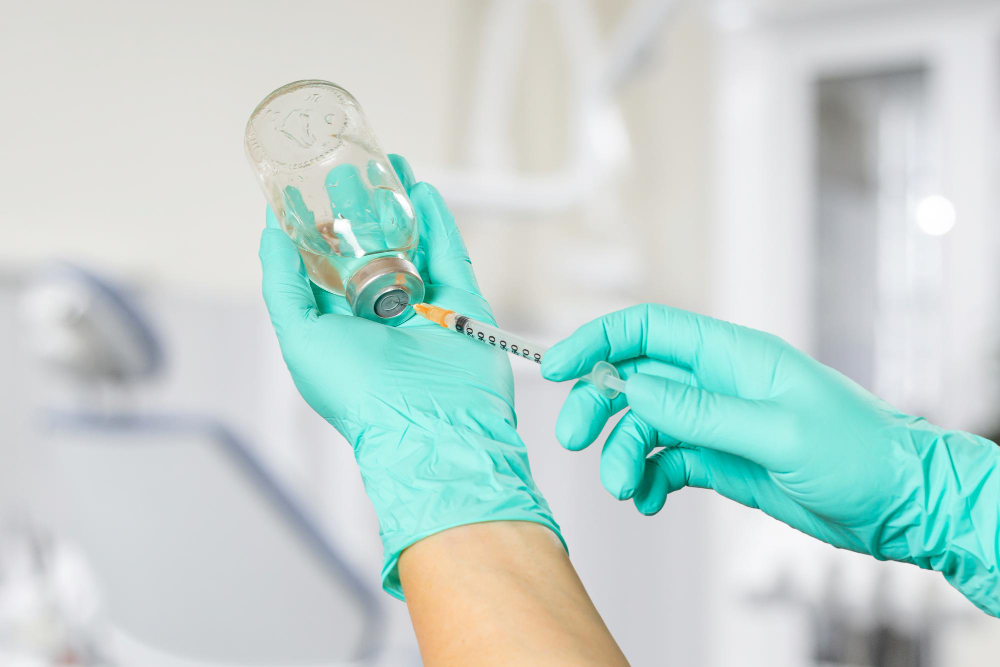
What is Local Anesthetic Toxicity?
Local anesthetic toxicity happens when too much anesthetic enters the body. Local anesthetics are medicines that numb a small area. Doctors use them for minor surgeries or dental work. However, if the dose is too high, these medicines can harm nerves, the heart, or the brain. Because local anesthetic toxicity can be serious, it is important to know the risks and how to prevent them.
Common Symptoms and Warning Signs
Early signs of local anesthetic toxicity can be mild. But, symptoms may get worse quickly. Watch for these warning signs:
If you notice any of these symptoms, tell your doctor right away. Quick action can prevent serious problems.
Causes and Risk Factors
Local anesthetic toxicity can happen for several reasons. Sometimes, the dose is too high for your body. Other times, the medicine enters a blood vessel by mistake. Some people are more at risk than others. For example, children and older adults may be more sensitive. People with liver or heart problems also face higher risks. In addition, certain medicines can interact with anesthetics and increase the chance of side effects.
Safe Dosing Guidelines for Local Anesthetics
Doctors follow strict rules to keep you safe. They use safe local anesthetic dosage charts based on your weight and health. Here are some practical tips:
Because each person is different, your doctor will adjust the dose for your needs. Following these steps helps prevent local anesthetic side effects.
Diagnosis and Immediate Actions
If local anesthetic toxicity is suspected, doctors act fast. First, they stop giving the anesthetic. Next, they check your breathing, heart rate, and blood pressure. Sometimes, you may need oxygen or special medicines to reverse the effects. Quick treatment can save lives. Therefore, always let your care team know if you feel unwell after an injection.
Prevention Strategies and Lifestyle Guidance
Preventing anesthetic toxicity is possible with good planning. Here are some ways to lower your risk:
Additionally, healthy habits like regular exercise and a balanced diet support your body’s recovery. Good communication with your doctor is key to preventing problems.
When to Seek Medical Help
Sometimes, side effects can appear after you leave the clinic. If you notice any of these signs, seek help right away:
Early treatment can prevent serious harm. Do not wait if you feel something is wrong.
Conclusion
Local anesthetic toxicity is rare, but it can be serious. By following safe dosing guidelines and prevention tips, you can lower your risk. Always talk to your doctor about your health and any concerns. Consult a healthcare professional for personalized advice on local anesthetic safety.