
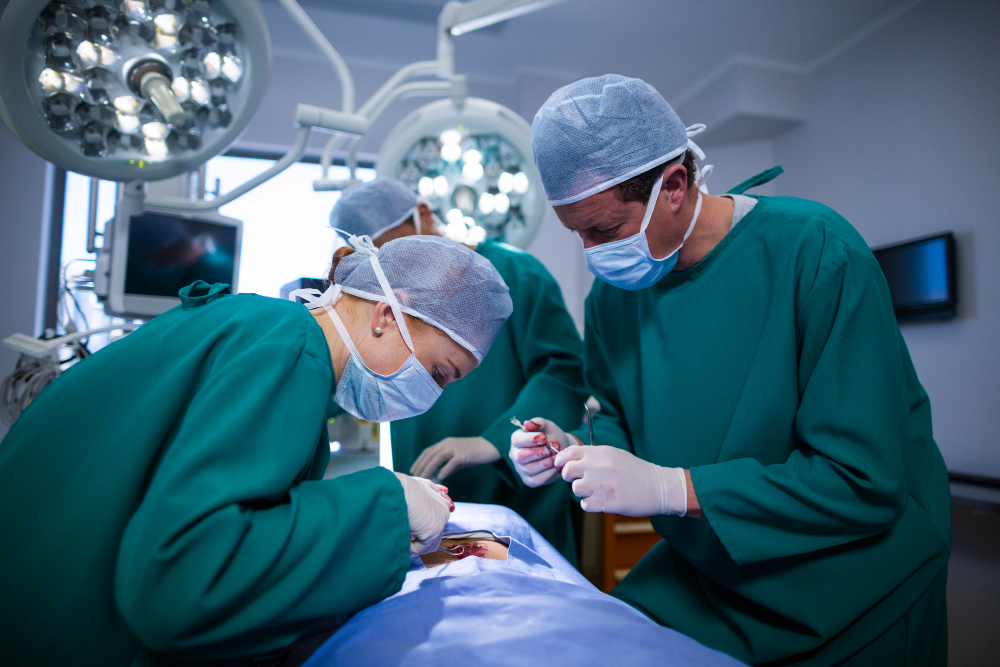
Introduction to Spinal Anesthesia
Spinal anesthesia is a type of pain control used during surgery. Doctors often use it for procedures on the lower body, such as hip or knee surgery. Instead of putting you to sleep, spinal anesthesia numbs the lower part of your body. This method is safe and effective for many people. However, like any medical procedure, it can have some risks. Understanding spinal anesthesia complications can help you feel more prepared and safe.
What Are Spinal Anesthesia Complications?
Spinal anesthesia complications are problems that may happen during or after the procedure. Most people do not have serious issues. Still, it is important to know what can go wrong. Complications can range from mild to severe. Some may go away on their own, while others need medical care. Knowing the signs and symptoms can help you get help quickly if needed.
Common Complications of Spinal Anesthesia
While spinal anesthesia is generally safe, some complications can occur. Here are the most common ones:
Symptoms and Warning Signs to Watch For
It is important to watch for signs of spinal anesthesia complications. Early action can prevent serious problems. Look out for:
If you notice any of these symptoms, contact your doctor right away. Quick care can make a big difference.
How Are Spinal Anesthesia Complications Diagnosed?
Doctors use several ways to find out if you have a complication. First, they will ask about your symptoms. Next, they may check your blood pressure and look at the injection site. Sometimes, they will order tests like blood work or scans. These steps help doctors find the cause and choose the best treatment. Early diagnosis is key to a good recovery.
Treatment and Management Options
Treatment depends on the type of complication. Here are some common management strategies:
Always follow your doctor’s advice for the best results.
Prevention Tips and Lifestyle Guidance
There are steps you can take to lower your risk of spinal anesthesia complications:
By staying informed and prepared, you can help prevent many issues.
When to Seek Medical Help
Sometimes, complications need quick medical attention. Seek help if you have:
Do not wait if you feel something is wrong. Early care can prevent serious problems.
Conclusion
Spinal anesthesia is safe for most people, but complications can happen. Knowing the risks, symptoms, and prevention tips can help you stay safe. If you have concerns about spinal anesthesia complications, consult a healthcare specialist for personalized advice.
Sources: Centers for Disease Control and Prevention (CDC), World Health Organization (WHO), peer-reviewed medical journals.