
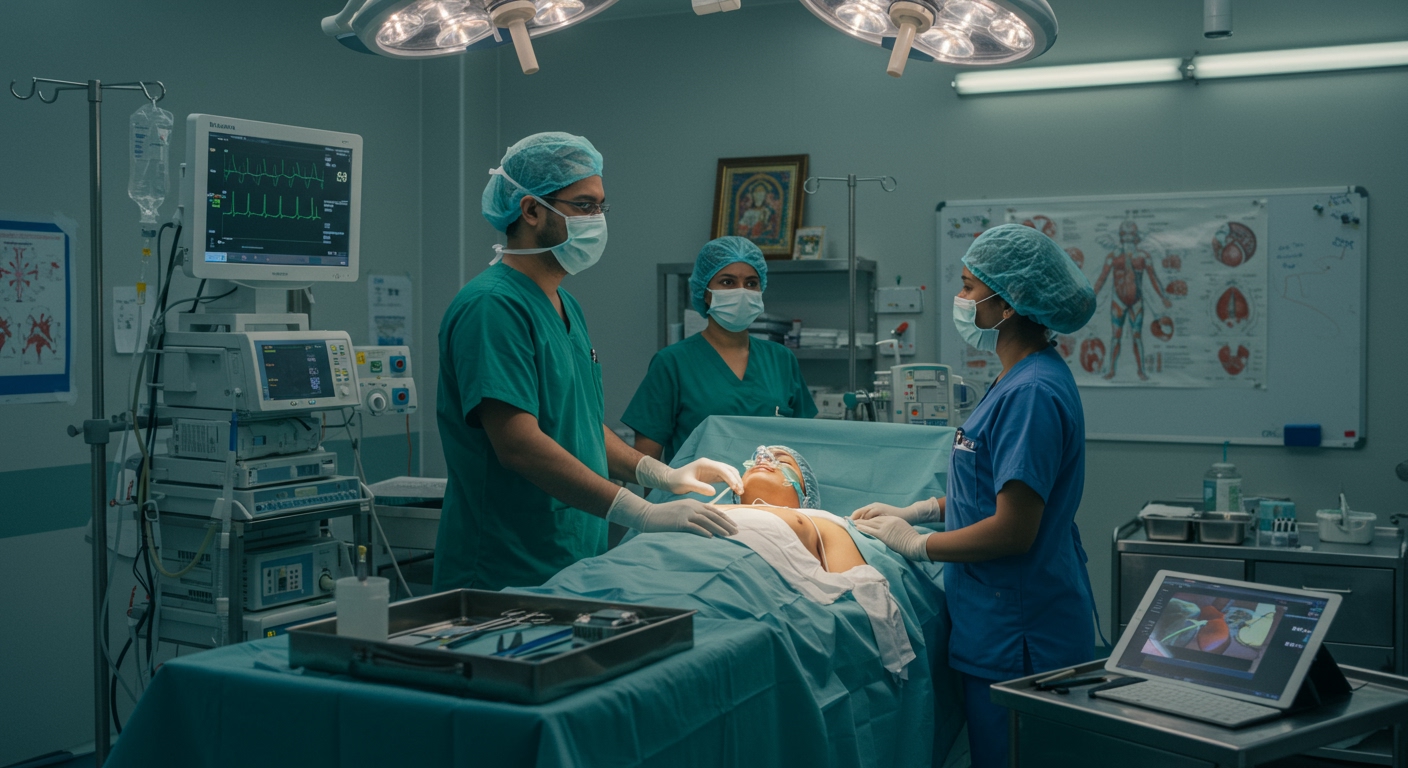
What Is Anaphylaxis During Anesthesia?
Anaphylaxis during anesthesia is a severe allergic reaction that can happen while a person is under anesthesia for surgery. This reaction is rare, but it can be life-threatening if not treated quickly. Because patients are asleep, recognizing anaphylaxis during anesthesia is challenging. However, doctors and nurses watch for signs to keep patients safe. According to the World Health Organization (WHO), quick action is key to saving lives in these situations.
Common Symptoms and Early Warning Signs
Recognizing anaphylaxis during anesthesia is important for patient safety. Since patients cannot speak, medical teams look for physical signs. Early warning signs may include:
Sometimes, these symptoms appear within minutes. But in some cases, signs may be delayed. Therefore, doctors monitor patients closely throughout surgery.
Causes and Risk Factors
Many things can cause an allergic reaction during anesthesia. Some common causes include:
Additionally, some people have a higher risk. For example, those with a history of allergies or asthma may be more likely to react. If you have had an allergic reaction before, tell your doctor before surgery. This helps the team plan for your safety.
How Anaphylaxis Is Diagnosed During Anesthesia
Doctors use several methods to diagnose anaphylaxis during anesthesia. Since patients are unconscious, the team relies on vital signs and physical changes. For instance, a sudden drop in blood pressure or trouble breathing may signal a problem. Blood tests can also help confirm an allergic reaction. However, these tests are usually done after the emergency is under control. Quick recognition and response are crucial for the best outcome.
Immediate Steps and Emergency Treatment
If anaphylaxis is suspected, the medical team acts fast. The main steps include:
Moreover, the team may use other medicines to control symptoms. According to the CDC, early use of epinephrine saves lives in most cases. After the emergency, doctors may refer the patient to an allergy specialist for further testing.
Prevention Tips and Patient Safety
There are steps you can take to lower the risk of anaphylaxis during anesthesia. Here are some tips:
By sharing your medical history, you help your team choose the safest anesthesia plan. In addition, hospitals follow strict safety rules to prevent allergic reactions during surgery.
When to Consult a Healthcare Professional
If you or a loved one is scheduled for surgery, it is important to talk to your doctor about allergy risks. Even if you have never had a reaction before, discuss any concerns with your anesthesiologist. They can review your history and suggest extra safety steps if needed. If you have had an allergic reaction during surgery in the past, always inform your care team before any new procedure.
In summary, recognizing anaphylaxis during anesthesia is vital for safe surgery. If you or a loved one is scheduled for surgery, consult your anesthesiologist about allergy risks and personalized safety measures.