
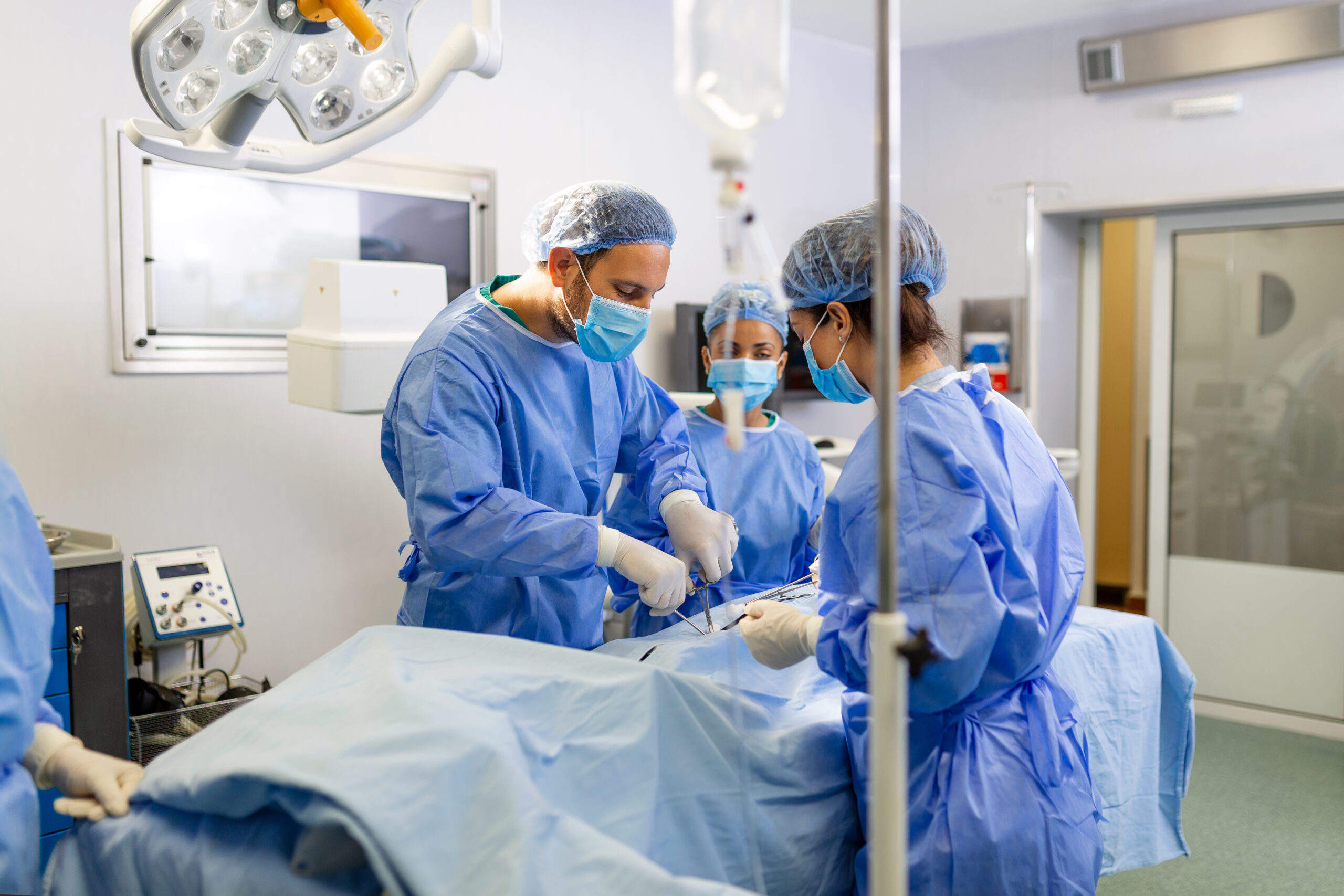
What Is Neurological Injury After Anesthesia?
Neurological injury after anesthesia is a rare but serious problem. It can happen when the brain, spinal cord, or nerves are harmed during or after anesthesia. This type of injury is sometimes called nerve damage after surgery or anesthesia complications. Although most people have anesthesia safely, a small number may face problems. These injuries can affect movement, feeling, or thinking. Because of this, it is important to know the risks and signs. Understanding these issues helps you make safer choices before surgery.
Common Symptoms and Signs
Sometimes, symptoms of neurological injury appear right after surgery. Other times, they may show up later. Early recognition is important. Here are some common signs to watch for:
If you notice any of these symptoms after anesthesia, tell your doctor right away. Early treatment can help prevent lasting problems.
Main Risk Factors
Although neurological injury after anesthesia is uncommon, some people have a higher risk. Knowing these risk factors can help you and your doctor plan for safety. The main risk factors include:
However, most people with these risk factors still have safe outcomes. Doctors take special steps to lower risks for everyone.
How Doctors Diagnose Neurological Injury
Doctors use several methods to find out if a neurological injury has happened. First, they ask about your symptoms and medical history. Next, they perform a physical exam to check your nerves and muscles. In addition, they may order tests such as:
Early diagnosis helps doctors start treatment quickly. This can improve your chances of recovery.
Prevention Tips and Safety Measures
There are many ways to lower the risk of neurological injury after anesthesia. Before surgery, talk openly with your doctor about your health. Here are some helpful tips:
Doctors and nurses use special tools and careful positioning to protect your nerves during surgery. In addition, they monitor you closely throughout the procedure.
When to Seek Medical Help
After surgery, it is normal to feel tired or sore. However, some symptoms need quick attention. Seek medical help right away if you notice:
Prompt care can make a big difference in recovery. Never ignore new or worsening symptoms after anesthesia.
Conclusion
Neurological injury after anesthesia is rare, but it can be serious. Knowing the risk factors and symptoms helps you stay safe. If you have concerns about anesthesia risks, consult a qualified healthcare professional for personalized advice.
Sources: Centers for Disease Control and Prevention (CDC), World Health Organization (WHO), National Institutes of Health (NIH)