
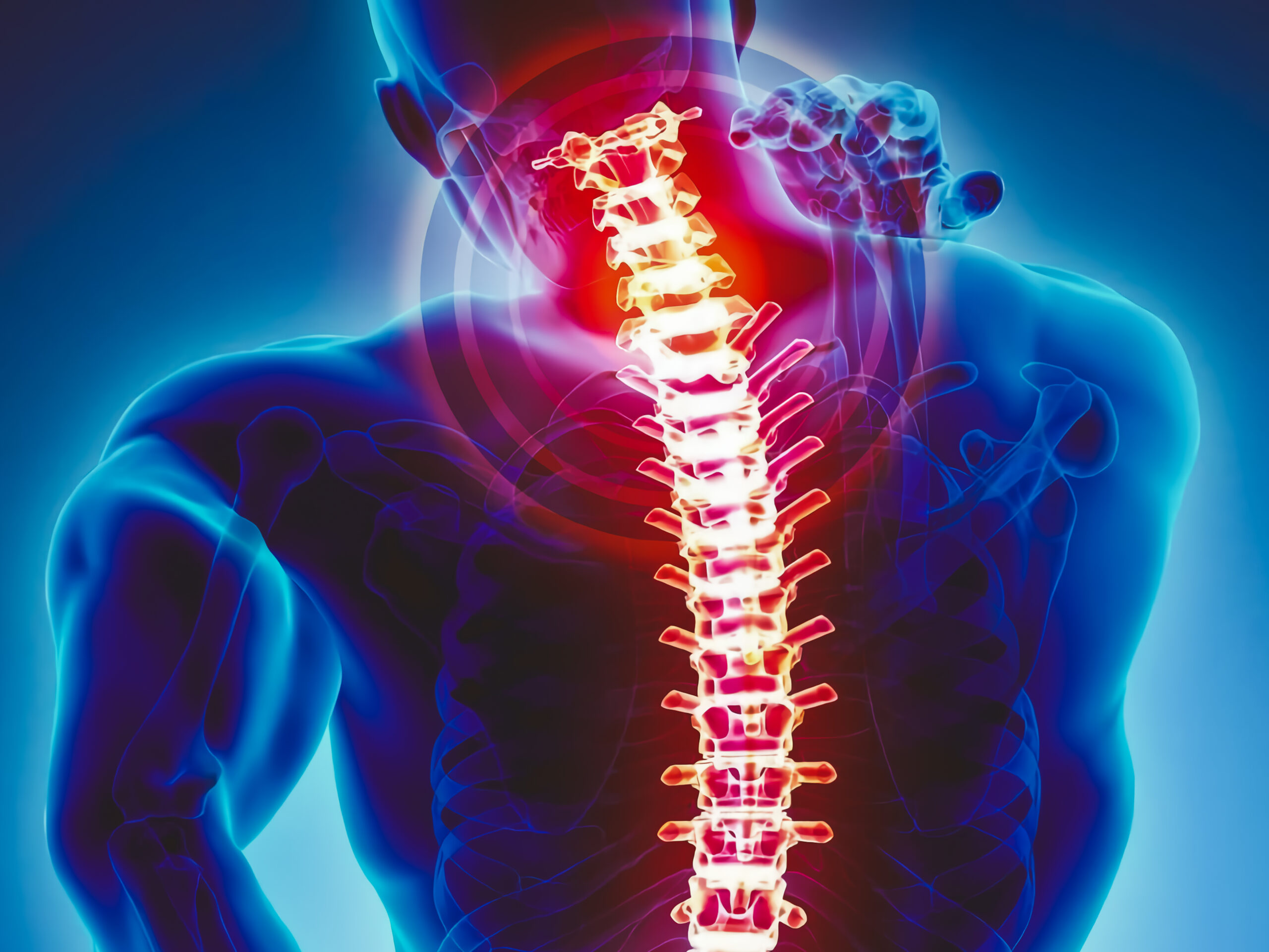
After Anesthesia: Causes, Symptoms, and Prevention
Spinal headache after anesthesia is a type of headache that can happen after certain medical procedures. These headaches often follow spinal anesthesia or a spinal tap. While most people recover quickly, some may need extra care. In this blog, we will explain what spinal headache is, its causes, symptoms, and ways to prevent it. We will also discuss when to seek medical help. Our goal is to help you understand this condition in simple terms.
What Is a Spinal Headache?
A spinal headache is a special kind of headache. It usually starts after a procedure involving the lower back, such as spinal anesthesia or a lumbar puncture. These procedures use a needle to reach the fluid around the spinal cord. Sometimes, a small amount of this fluid leaks out. As a result, you may get a headache. This type of headache is also called a post-dural puncture headache.
Causes of Spinal Headache After Anesthesia
Spinal headache causes are linked to the loss of spinal fluid. When a needle punctures the covering around your spinal cord, fluid can leak out. This leak lowers the pressure in your brain and spine. Because of this, you may feel pain in your head. Common causes include:
Not everyone who has these procedures will get a spinal headache. However, some people are more at risk. For example, younger adults and women are more likely to experience this complication. The size of the needle and the way the procedure is done also matter. (Source: CDC, WHO)
Common Symptoms
Spinal headaches have some clear signs. Usually, the pain starts within a few days after the procedure. The headache often gets worse when you sit or stand. It may feel better when you lie down. Other symptoms can include:
Sometimes, the pain can be severe. But in most cases, it goes away within a week.
How Is Spinal Headache Diagnosed?
Doctors diagnose spinal headache by asking about your symptoms and recent procedures. They will want to know if you had spinal anesthesia or a spinal tap. Your doctor may also do a physical exam. In rare cases, tests like a brain scan may be needed to rule out other problems. However, most of the time, your story and symptoms are enough for diagnosis.
Treatment Options
Many spinal headaches get better on their own. Rest and fluids can help. However, some people need more care. Treatment options include:
If your headache is severe or does not improve, talk to your doctor. They can help you choose the best treatment.
Prevention Tips
There are ways to lower your risk of spinal headache after anesthesia. Doctors use special techniques to help prevent this problem. For example:
After your procedure, follow your doctor’s advice. Rest and drink fluids as recommended. These steps can help reduce your risk.
When to Seek Medical Help
Most spinal headaches are mild and go away on their own. However, you should seek medical help if:
These signs could mean a more serious problem. Always contact a healthcare specialist if you are worried.
If you experience severe or persistent headaches after anesthesia, consult a healthcare specialist for personalized advice.