
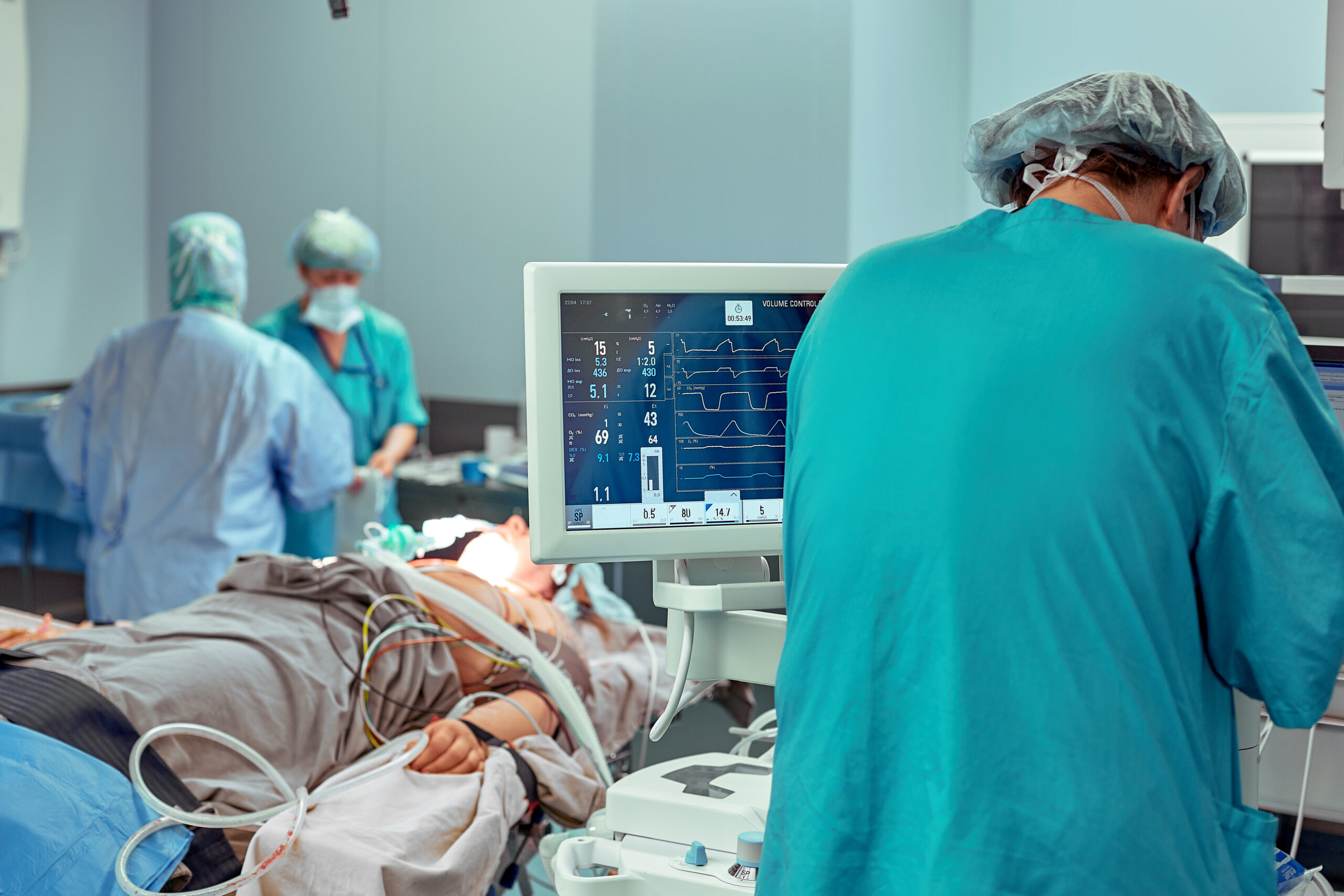
What is Regional Anesthesia?
Regional anesthesia is a way to block pain in a specific part of the body. Doctors use it during surgeries or procedures. Unlike general anesthesia, you stay awake or lightly sedated. However, you do not feel pain in the area being treated. For example, doctors may use it for arm, leg, or lower body surgeries. In the United States, regional anesthesia is common because it often has fewer side effects than general anesthesia.
Understanding Regional Anesthesia Complications
Although regional anesthesia is usually safe, complications can happen. These are called regional anesthesia complications. Sometimes, the block may not work as planned. Other times, side effects like numbness, weakness, or infection may occur. According to the World Health Organization, most complications are rare. But knowing about them helps you stay safe and informed.
What is a Failed Regional Block?
A failed regional block means the anesthesia did not work as expected. You may still feel pain or discomfort during the procedure. Sometimes, only part of the area becomes numb. Other times, the block wears off too soon. Because of this, doctors must act quickly to keep you comfortable and safe.
Causes of Failed Regional Block
Many factors can lead to a failed regional block. Understanding these failed regional block causes can help prevent problems. Common reasons include:
Sometimes, even with the best care, blocks may not work perfectly. But, doctors use many checks to lower this risk.
Signs and Symptoms
It is important to know the signs of a failed regional block. Early signs help doctors act fast. Watch for these symptoms:
If you notice any of these, tell your care team right away. Quick action can prevent further problems.
Management and Next Steps
When a regional block fails, doctors have several options. First, they may try to repeat the block. If that does not work, they might use more local anesthesia. Sometimes, they switch to general anesthesia for your safety. In every case, your comfort and safety come first. Doctors follow guidelines from trusted sources like the CDC to manage these situations.
Prevention Tips
There are steps you and your care team can take to lower the risk of regional anesthesia complications. Here are some anesthesia safety tips:
With good communication, many problems can be avoided.
When to Seek Medical Help
After your procedure, watch for signs of complications. Seek medical help if you notice:
Early treatment can prevent serious problems. Never ignore unusual symptoms after anesthesia.
In summary, regional anesthesia is safe for most people. But, regional anesthesia complications like failed regional blocks can happen. Knowing the causes, signs, and management steps helps you stay informed. Consult a qualified anesthesiologist for personalized advice on regional anesthesia complications.