
Introduction to Difficult Airway Management
Difficult airway management is a process doctors use when it is hard to help someone breathe during surgery or emergencies. Sometimes, a person’s mouth, throat, or neck shape makes it tough to place a breathing tube. In these cases, special skills and tools are needed. Because breathing is vital, any problems can be serious. Therefore, knowing about difficult airway management complications is important for everyone.
Common Complications in Difficult Airway Management
Even with care, some problems can happen during airway management. These issues may affect breathing or cause other health concerns. For example, some common difficult airway management complications include:
According to the World Health Organization (WHO), these complications are rare but can be serious if not managed quickly.
Causes and Risk Factors for Complications
Many things can increase the risk of airway management risks. For instance, some people have small mouths, large tongues, or neck injuries. Others may have swelling from infections or allergies. In addition, certain medical conditions, like obesity or sleep apnea, can make airway management harder. Sometimes, past surgeries or radiation to the neck also raise the risk. Because of these factors, doctors check each patient carefully before any procedure.
Signs and Symptoms of Complications
It is important to know the warning signs of airway complications. Early signs can help doctors act fast. Watch for these symptoms:
If you notice any of these signs, tell a doctor right away. Quick action can prevent serious problems.
Prevention Strategies
Doctors use many steps to prevent airway complications. First, they review your medical history and check your airway. Next, they plan for any risks. For example, they may use special tools or call for extra help. In addition, they keep emergency equipment nearby. Some prevention tips include:
Because prevention is key, always speak up about your concerns.
What to Expect During Difficult Airway Management
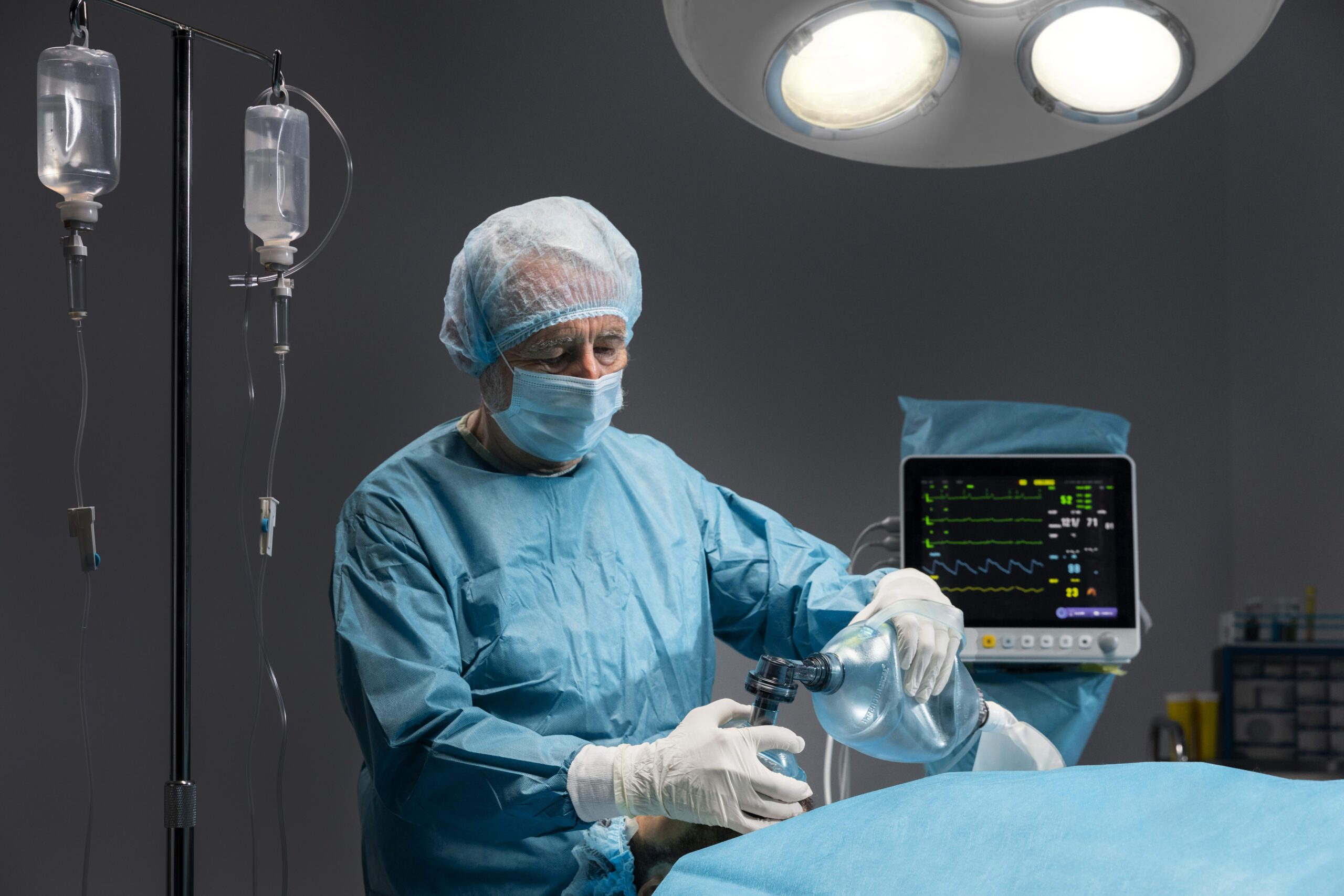
Before the procedure, your anaesthesiologist will explain what will happen. They may use a camera or special tools to help place the breathing tube. Sometimes, more than one doctor will be present for safety. You may receive medicine to help you relax or sleep. During the process, your oxygen levels and heart rate are closely watched. If any airway complications happen, the team is ready to act fast. Afterward, you may have a sore throat or mild swelling, but these usually go away soon.
When to Seek Medical Help
After airway management, watch for any signs of trouble. For example, if you have trouble breathing, chest pain, or swelling, seek help right away. In addition, if you feel weak or dizzy, call your doctor. Early care can prevent serious problems. If you are in a location with limited medical resources, go to the nearest hospital as soon as possible.
Conclusion and Practical Advice
Difficult airway management complications are rare but can be serious. However, with good planning and skilled care, most risks can be managed. Always share your medical history and ask questions before any procedure. If you notice any warning signs, seek help quickly. For the best advice, consult a qualified anaesthesiologist about your airway management needs.