
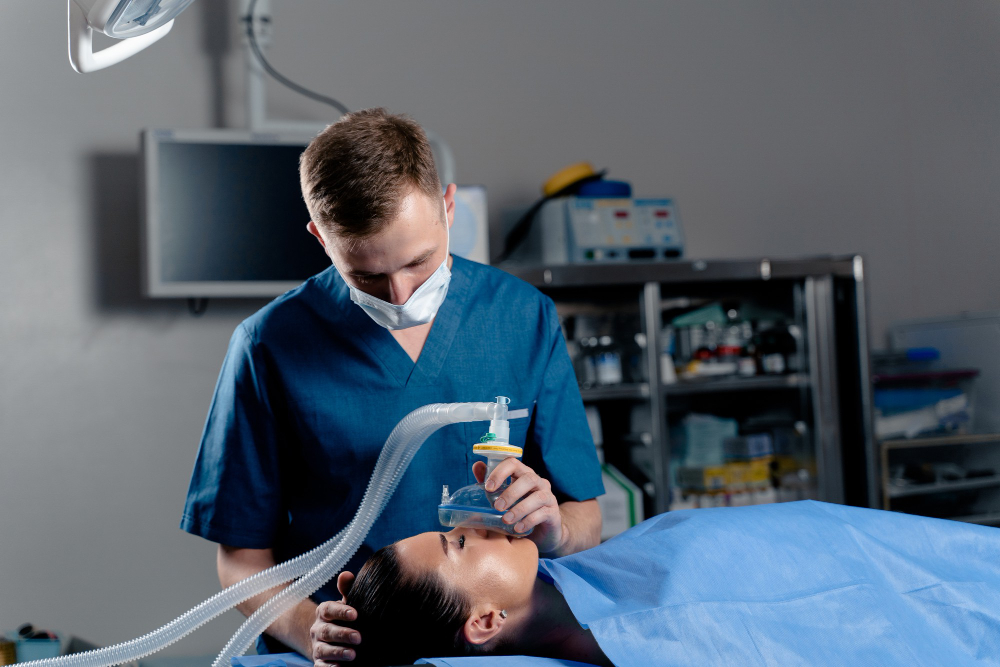
What Is Anaphylaxis During Anesthesia?
Anaphylaxis during anesthesia is a severe allergic reaction that happens while a person is under anesthesia. This reaction can occur during surgery or any procedure that uses anesthesia. Because the patient is asleep or sedated, it can be hard to notice early signs. However, quick action is vital. According to the World Health Organization (WHO), anaphylaxis is rare but can be life-threatening. It is important to know the signs and what to do if it happens.
Common Symptoms and Early Warning Signs
Recognizing symptoms early can save lives. Since the patient is not awake, doctors and nurses must watch for physical signs. Some symptoms may appear within minutes, while others take longer. For example, skin changes may be the first clue. But breathing problems or low blood pressure can also happen quickly.
Sometimes, the first sign is a change in blood pressure or heart rate. Therefore, close monitoring is essential during surgery.
Main Causes and Risk Factors
Many things can cause anaphylaxis during surgery. Most often, it is an allergic reaction under anesthesia to certain drugs or materials. For instance, some people react to antibiotics, muscle relaxants, or latex. Even so, anyone can develop an allergy at any time.
Because some people have a higher risk, it is important to share your allergy history with your doctor before surgery.
How Anaphylaxis Is Diagnosed During Anesthesia
Doctors use several clues to diagnose anaphylaxis during surgery. Since the patient cannot speak, medical teams rely on monitors and physical signs. For example, a sudden drop in blood pressure or trouble breathing may signal a problem. In addition, doctors may look for skin changes or swelling. Blood tests can help confirm the diagnosis after the emergency is managed. According to the Centers for Disease Control and Prevention (CDC), quick diagnosis is key to survival.
Emergency Response Steps and Immediate Treatment
When anaphylaxis is suspected, the medical team must act fast. Every second counts. The main goal is to stop the reaction and support breathing and blood flow. Here are the emergency steps:
Because anaphylaxis during surgery is an emergency, hospitals have special plans and trained staff ready to help.
Prevention Tips and Patient Safety Guidance
While not all cases can be prevented, there are ways to lower the risk. For example, sharing your full allergy history with your doctor helps them choose safe medicines. In addition, hospitals use special labels and checks to avoid mistakes. Here are some tips for patients and families:
Because safety is a team effort, clear communication helps prevent problems.
Conclusion
Anaphylaxis during anesthesia is rare but serious. Knowing the symptoms, causes, and emergency steps can save lives. If you or a loved one is scheduled for surgery, consult your healthcare provider about allergy risks and personalized safety measures.